How to Choose the Right Basement Waterproofing NJ Contractor
@zionuxqt480
September 24, 2026 · 15 min read
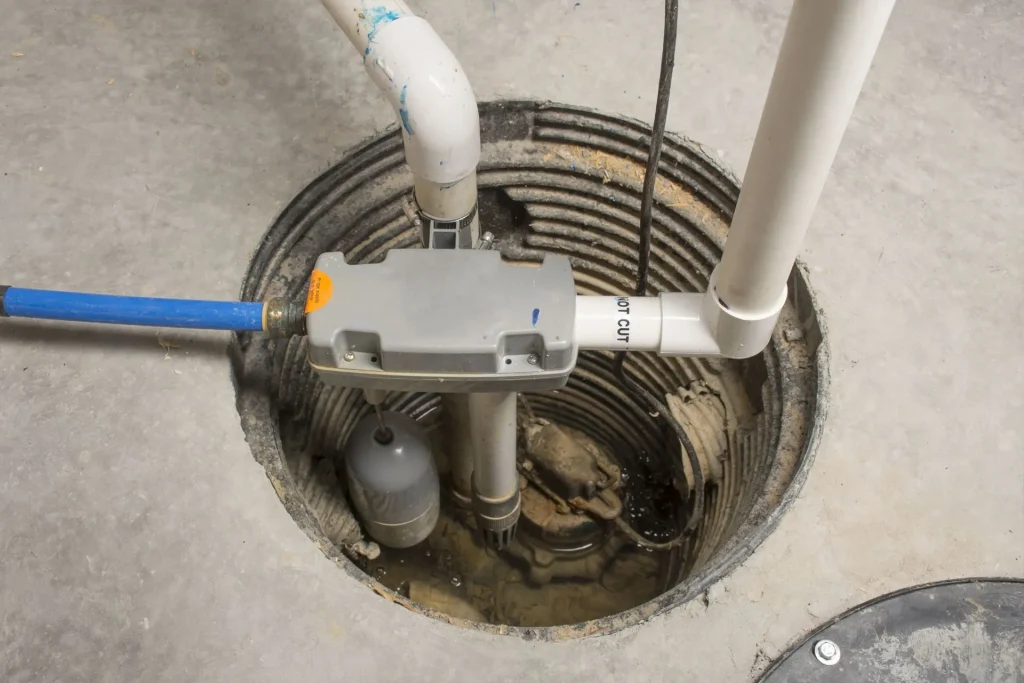
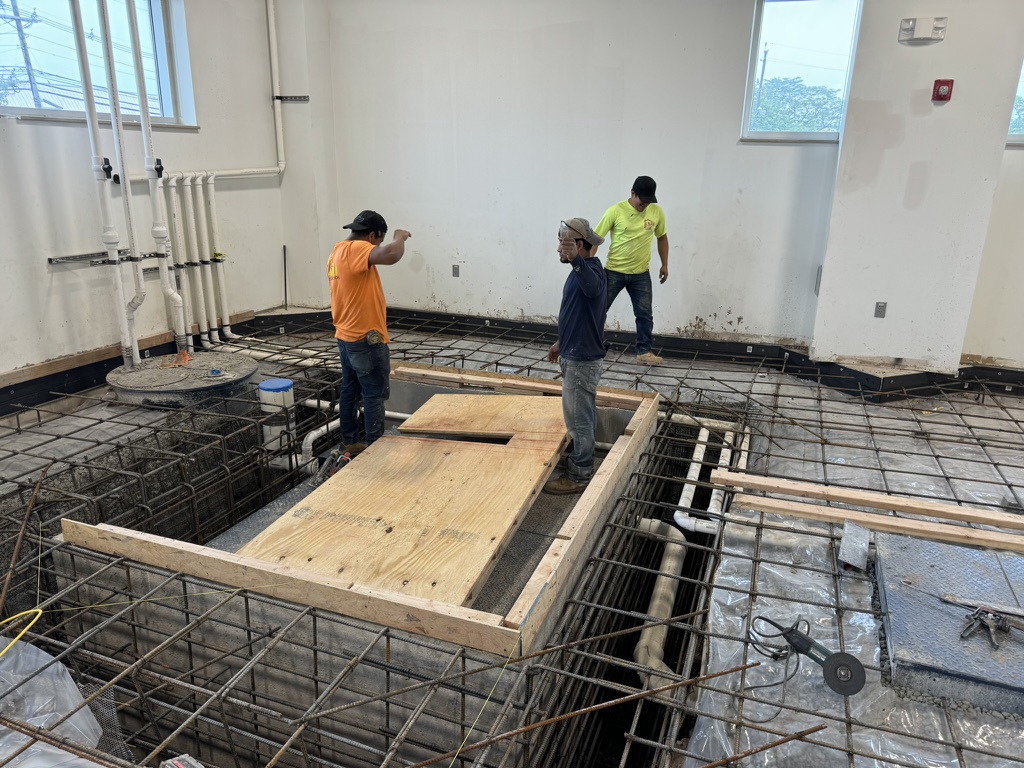
A wet basement rarely starts as a dramatic event. More often, it shows up as a musty odor near the stairs, a faint line of discoloration along the wall, or a patch of carpet that never feels quite dry. Homeowners put up with it longer than they should because the problem is intermittent. One hard rain brings water in, then a few dry weeks make it seem manageable again. That pattern is exactly why choosing the right contractor matters so much. Basement water issues are often misdiagnosed, oversold, or temporarily patched when they really need a targeted solution.
In New Jersey, the stakes are even higher. The housing stock is varied, the weather is hard on foundations, and soil conditions change from one town to the next. A contractor working in a coastal area may face a high water table and hydrostatic pressure. A crew in North Jersey may deal more with older poured concrete, stone foundations, or freeze-thaw movement. A good contractor understands that basement waterproofing is not one product and not one price. It is a process of identifying how water is entering, why it is entering, and what repair approach makes sense for that specific home.
The phrase Basement Waterproofing NJ gets searched a lot for a reason. People are looking for relief, but also for someone they can trust inside a part of the house most homeowners do not fully understand. That trust should be earned, not assumed.
Start with diagnosis, not sales language
The first thing to look for in a contractor is how they inspect the basement. A serious professional does not walk in, glance at one damp wall, and immediately prescribe the same system they sell to everyone else. Water intrusion can come from wall cracks, cove joints, floor seepage, failed exterior drainage, poor grading, clogged gutters, leaking window wells, or plumbing issues that have nothing to do with rain at all.
An experienced contractor will ask questions that seem simple but matter a great deal. When does the water show up? Only after heavy rain, or even during snow melt? Does it collect at one corner? Is the humidity high year round? Has the basement ever been finished? Were there previous repairs? These details help separate surface runoff issues from groundwater pressure and help avoid expensive work that misses the root cause.
I have seen homeowners spend thousands on interior systems when a large part of the problem started outside. Downspouts were dumping water six feet from the foundation, grading pitched toward the house, and a cracked window well was channeling runoff directly against the wall. Interior drainage had a role, but not as the first and only answer. The best contractors do not ignore the obvious just because it is less profitable than a full system installation.
Know the difference between waterproofing methods
One reason basement waterproofing feels confusing is that many companies use broad terms for very different services. “Waterproofing” can mean an interior drain tile system, an exterior membrane, crack injection, sump pump installation, vapor barriers, crawl space encapsulation, or dehumidification. These are not interchangeable.
Interior systems usually manage water after it reaches the foundation. They can be effective and practical, especially in finished basements or tight-access homes where excavation would be disruptive and costly. Exterior waterproofing aims to stop water before it enters. When feasible, it is often the more complete approach, but it can be far more invasive. Crack injections can solve a specific point of entry, but they are not a cure for widespread hydrostatic pressure. A sump pump can be essential in some homes and unnecessary in others.
A reliable contractor should explain what each method does and what it does not do. If they claim one product solves every basement problem, be cautious. Real expertise sounds specific. It includes phrases like, “This will control seepage at the cove joint, but it will not correct the grading outside,” or “The wall crack can be injected, but the bowing needs separate structural evaluation.” That kind of clarity is valuable because it shows the company understands limits as well as capabilities.
Local experience in New Jersey matters more than many homeowners realize
Basement Waterproofing NJ is not a generic service category. Local conditions affect performance, pricing, and repair choices. A contractor who has spent years working in New Jersey has probably seen the common patterns: older block foundations with seepage through mortar joints, split-level homes with tricky rear drainage, high groundwater in certain low-lying neighborhoods, and basements that were partially finished decades ago with no real moisture strategy behind the walls.
Permitting expectations can differ by municipality. So can site constraints. Tight lot lines, mature landscaping, patios, and additions all affect whether exterior excavation is practical. Some areas deal with more iron bacteria or sediment in sump systems. Others see more seasonal movement. A local contractor should speak comfortably about those realities without turning the conversation into vague scare tactics.
Ask where they do most of their work. If a company says they serve the entire state, that is fine, but press a little deeper. How many jobs have they completed in your county? Are they familiar with homes built in your era and style? A Cape Cod in Bergen County and a ranch in Ocean County may both have basement moisture, but the likely causes and best remedies may look very different.
Pay attention to how they inspect the exterior
A basement problem is often diagnosed from the inside because that is where the symptoms show. The better contractors also spend time outside. They look at grading, downspout discharge points, settlement near foundation walls, hardscape slope, mulch levels, and whether water is being trapped against the house by a walkway or planter bed.
That exterior walkaround tells you a lot about how thorough the company is. If the technician never leaves the basement, you may be getting a limited recommendation. Water follows the easiest path. Sometimes that path starts twenty feet away from the area that gets wet.
One homeowner I knew had repeated water intrusion along a finished basement wall. Two companies pushed for an interior drain system. A third noticed that a side yard swale had been flattened during a landscape project, so rainwater now pooled against the foundation before slowly soaking down. Regrading, extending downspouts, and repairing a single crack reduced the problem dramatically. The homeowner still added a dehumidifier for comfort, but avoided a much larger installation that may not have addressed the full issue.
Licensing, insurance, and documentation are not paperwork trivia
Waterproofing work affects one of the most important structural and health-related areas of the home. You want a contractor who is properly registered, insured, and willing to put details in writing. In practice, this separates many solid firms from many risky ones.
At minimum, you want to know that the company can legally operate, carries liability coverage, and has workers compensation for the crew. If excavation, concrete breaking, pump installation, or electrical connections are involved, ask how those pieces are handled and whether subcontractors are used. If they are, find out who is responsible for oversight and warranty coordination.
A verbal promise is worth very little when a basement leaks again six months later. Scope matters. Materials matter. So does the exact area being treated. A written proposal should explain what is included, what is excluded, where water is expected to go after the repair, and what maintenance is required from the homeowner. If a sump pump is installed, ask what happens during a power outage. If a battery backup is recommended but not included, that should be stated plainly.
Warranties deserve a closer look than the sales pitch gives them
A long warranty sounds reassuring, but warranty language varies widely. Some “lifetime” warranties apply only to certain conditions, are transferable only for a fee, or cover seepage through repaired areas while excluding new cracks, floor moisture, efflorescence, humidity, mold, or damage to finishes. None of those exclusions are necessarily dishonest, but they need to be understood.
The most useful warranty discussions are practical. Who responds if there is a problem? How quickly? Is annual maintenance required to keep the warranty active? Does the company service its own pump systems? If the business changes ownership, what happens to prior warranty obligations? A strong warranty backed by a stable local company has more value than a broad-sounding promise from a contractor that may be difficult to reach later.
This is another place where experience shows. Reputable waterproofing professionals usually avoid overpromising. They know that basements are dynamic environments and that no one can guarantee perfection under every possible condition without defining the terms carefully.
Reviews can help, but patterns matter more than star ratings
Online reviews are useful, though they need context. A company with many reviews over several years usually gives a better picture than one with a small burst of glowing comments posted in a short timeframe. Read for specifics. Did customers mention punctuality, cleanliness, communication, and follow-through? Did the company solve the problem or only complete the installation? Were there comments a year later about whether the basement stayed dry?
Negative reviews should not automatically scare you off. What matters is the pattern and the response. A single scheduling complaint in the middle of storm season may be understandable. Repeated complaints about pressure sales, surprise charges, or warranty runaround deserve attention.
If possible, ask the contractor for references from jobs similar to yours. A company that mainly installs sump systems may not be the best fit for a foundation crack and exterior drainage issue. The closer the match between your problem and their recent work, the more useful the reference will be.
Compare proposals carefully, because low bids often hide major omissions
Waterproofing proposals can look similar at first glance while describing very different work. One estimate may include demolition and disposal of finished materials, another may not. One may include battery backup, discharge line protection, and permit coordination, another may list only the base pump system. One may propose treating an entire wall, another only a limited section.
This is where homeowners sometimes get trapped by a lower number. They assume the scope is comparable, accept the cheapest quote, and only later realize that important parts were excluded or changed by field conditions. The right comparison is not price alone. It is price relative to diagnosis, scope, materials, labor detail, and warranty support.
Use a simple decision framework when reviewing estimates:
- Match the proposed solution to the actual source of water, not just the symptom.
- Confirm exactly what areas of the basement and exterior are included.
- Ask what maintenance, power backup, or follow-up service will be needed.
- Compare warranty terms in plain language, especially exclusions.
- Weigh communication and professionalism alongside cost.
That short exercise reveals a lot. Sometimes the highest bid includes work you do not need. Sometimes the lowest bid leaves out critical components that make the system dependable. Most homeowners end up best served by the proposal that is detailed, transparent, and technically believable.
Be wary of scare tactics and one-visit pressure
Basement moisture is serious, but it is also a field where fear gets used as a sales tool. If a contractor tells you your house is in immediate danger of catastrophic failure without explaining the evidence, slow the conversation down. The same goes for claims that a discount is only available if you sign before they leave.
Good contractors know that waterproofing is a significant purchase. They expect homeowners to compare estimates, read warranty language, and ask questions. They do not need to manufacture urgency unless there is a truly urgent condition, such as active structural movement, electrical risk near standing water, or a failed sump system during ongoing flooding.
There is also a subtle version of pressure that sounds more professional but can be just as manipulative. It usually comes in the form of exaggerated certainty. “This is the only system that works.” “Everyone else is using outdated methods.” “We can waterproof any basement permanently.” Real experts tend to speak with confidence, but not absolute simplification. They recognize trade-offs, site conditions, and the fact that some homes need layered solutions.
Ask who will actually do the work
The person who sells the job is not always the person who installs it. That does not automatically mean trouble, but you should know the structure. Is the crew employed directly by the company? How long have they been with the firm? Is a supervisor on site? Who makes decisions if hidden conditions appear once concrete is opened or excavation begins?
Installation quality matters enormously in basement waterproofing. A well-designed system can perform poorly if discharge lines are poorly sloped, pump pits are undersized, wall seams are left vulnerable, or cleanup leaves debris in the drainage path. Ask the contractor to describe a typical workday. How noisy will it be? How long will the basement be inaccessible? How do they control dust? What restoration work is included after trenching or wall treatment?
A thoughtful answer often signals a company with strong field processes. Vague answers suggest you may be getting a polished estimate but an unpredictable jobsite.
Finished basements require a different level of planning
A lot of New Jersey homeowners have finished basements used as family rooms, offices, home gyms, or guest areas. Waterproofing those spaces is more complicated than treating an unfinished utility basement. Access is tighter, damage can spread into insulation and framing, and repairs have to account for future moisture behavior, not just visible water.
If your basement is finished, ask how the company will identify concealed moisture. Will they open test sections if needed? How do they protect floors and contents? If wall systems are being installed, what happens to trim, drywall, paneling, and built-ins? If they recommend an interior drainage system, ask whether they have a standard detail for re-finishing that avoids trapping moisture behind new materials.
This is one area where the cheapest solution often costs more later. A partial repair in a finished basement can create a dry-looking surface while humidity and hidden dampness persist behind walls. Months later, the space smells stale, paint blisters, or mold appears around baseboards. The better contractors understand both water control and what finished spaces need to remain healthy afterward.
Some red flags are hard to miss, others are subtle
Not every poor choice announces itself loudly. Some warning signs are obvious, while others show up in the details of how the company communicates.
Here are a few signs to take seriously:
- The inspection is rushed and no exterior conditions are reviewed.
- The proposal is vague, with little detail about scope, materials, or exclusions.
- The salesperson pushes same-day signing or steep “today only” discounts.
- The company cannot clearly explain why this solution fits your basement.
- Warranty answers are evasive, especially around service calls and limitations.
Any one of these may not be fatal on its own, but two or three together usually point to a contractor you should avoid.
Price ranges vary, and honest contractors will explain why
Homeowners naturally want to know what a basement waterproofing project should cost. The honest answer is that the range can be wide because the work varies so much. A straightforward crack injection may be modest compared with a full perimeter interior drainage system. Exterior excavation and membrane application can cost significantly more, especially if access is difficult or hardscape has to be removed and restored.
A contractor who gives you a generic number over the phone without seeing the property is guessing or selling. A better company will explain the cost drivers. Linear footage, depth, access, pump configuration, disposal, finish removal, concrete replacement, and drainage routing all affect price. So do local labor conditions and permit requirements.
That does not mean you should accept an inflated estimate just because the explanation sounds technical. It means the price should connect logically to the work. If one bid is dramatically higher, ask what it includes that the others do not. If one is dramatically lower, ask what assumptions make it possible. The answers often reveal whether the difference is legitimate or a sign that someone is missing part of the problem.
The best contractor leaves you better informed, not more confused
This may be the simplest test of all. After the inspection, do you understand your basement better than before? Can the contractor explain where the water is likely coming from, what the proposed fix is designed to do, and what remaining limitations or maintenance items you should expect? https://wakelet.com/@ardwaterproof Or do you just have a bigger pile of brochures and a stronger sense of urgency?
The right Basement Waterproofing NJ contractor is not necessarily the one with the slickest presentation or the biggest ad budget. It is the one that combines local experience, careful diagnosis, clear writing, realistic promises, and consistent execution. Basements are unforgiving spaces. If the solution is careless, water usually finds the weakness.
A dry basement is valuable for obvious reasons, but what most homeowners are really buying is confidence. Confidence that the next hard rain will not send them downstairs with towels. Confidence that finished spaces, storage, and air quality are protected. Confidence that the money went toward the actual problem, not just the loudest pitch.
Take a little more time at the selection stage. Ask better questions. Read the scope line by line. A solid contractor will respect that process, because that is usually how good waterproofing jobs begin.
ARD Waterproofing
Address: 98 Smull Ave, West Caldwell, NJ 07006
Phone number: +12016465936
FAQ About Basement Waterproofing NJ
What is the best waterproofing method for a basement?
The best overall approach to waterproofing a basement is a combined exterior and interior system that stops water at the foundation wall and safely manages any moisture that gets through.
What is the average cost to waterproof a basement?
The average cost to waterproof a basement ranges from $2,500 to $15,000, with most homeowners paying around $5,200 for a complete project.
Can a basement be waterproofed from the inside?
Yes, a basement can be waterproofed from the inside, and it is often the most affordable and least disruptive method.